
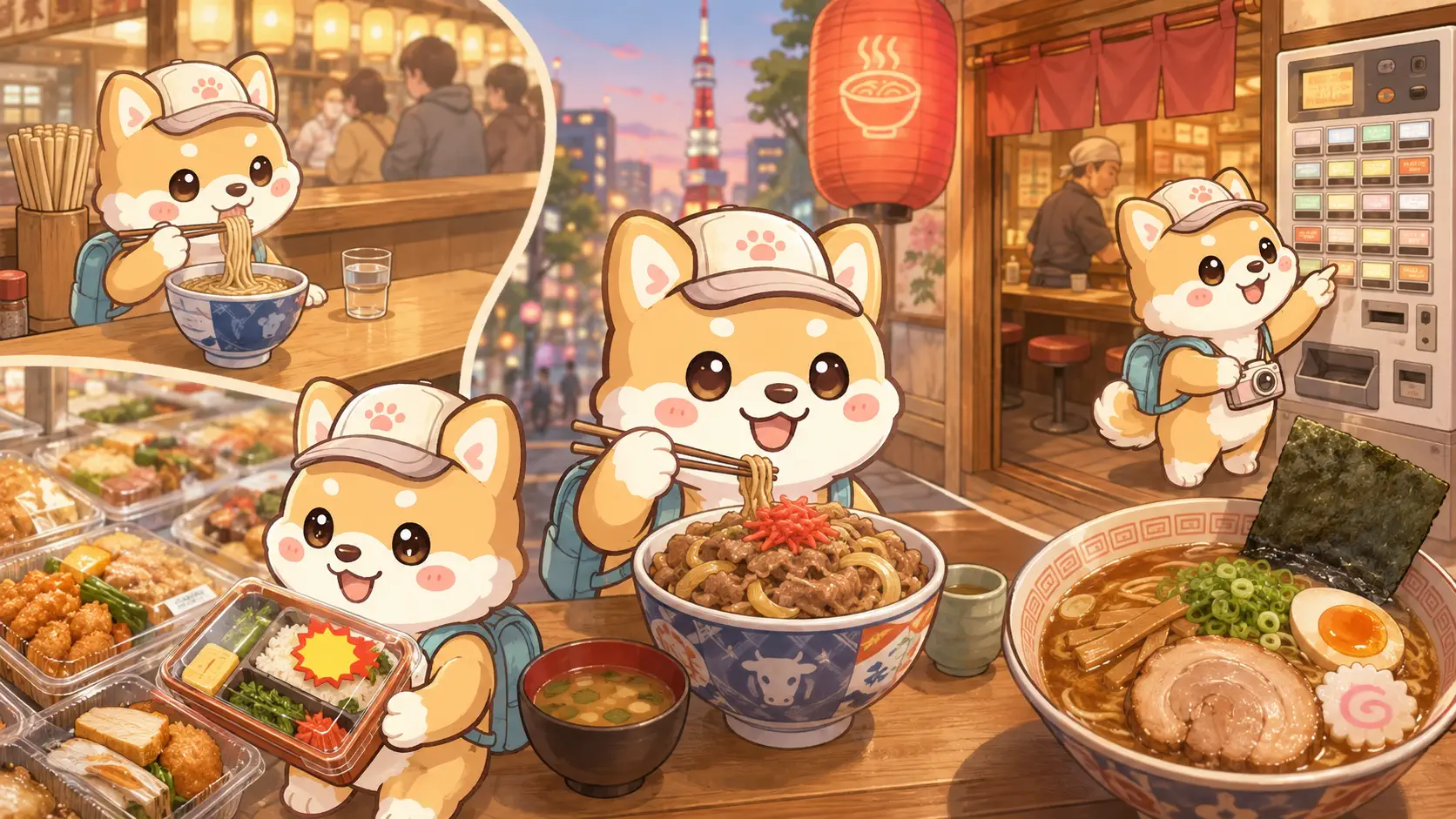
Looking for cheap eats in tokyo japan is less about secret alleyway miracles and more about knowing the formats that feed locals every day. Tokyo’s expensive reputation comes from tasting-menu nights and tourist-trap sushi belts. A full hot meal under ¥1,000 is still normal if you aim at chains, standing counters, ticket machines, department-store basements, and evening supermarket bentos.
This guide maps those formats with honest price bands, how to order without fluent Japanese, and where “cheap” still tastes like a real dinner — not punishment.
Best cheap eats in Tokyo: the formats that work
When people hunt best cheap eats in tokyo, they often want a ranked list of Instagram bowls. Better: learn five formats you can repeat in any ward.
- Gyudon / rice-bowl chains — Yoshinoya, Sukiya, Matsuya and cousins. Beef bowls, curry rice, breakfast sets often ¥400–¥800.
- Standing soba / udon near stations — quick noodles, tempura on top optional, often ¥400–¥700 before add-ons.
- Ticket-machine ramen and don shops — buy a ticket, hand it over, sit. Many bowls ¥800–¥1,200; stay under ¥1,000 by skipping extra chashu.
- Depachika and food halls — basement prepared foods; go hungry near closing for marked-down trays.
- Convenience stores + supermarket evenings — not romantic, extremely effective after 19:00–20:00 when stickers appear. What to grab first is the japanese convenience store food sequence; rice-ball centers are the onigiri fillings catalog.
Master the formats and every neighborhood becomes edible on a budget.
Cheap places to eat in Tokyo without a reservation
Cheap places to eat in tokyo are usually high-turnover and walk-in. That is the point. Look for:
- Plastic food models in the window with prices
- A ticket machine by the door
- Counter seats facing a kitchen
- Chains with English or picture menus
Avoid restaurants that only open for dinner courses, require introductions, or seat you into a ¥8,000 omakase by default. If the first English page is a tasting menu, you are in the wrong tool for a ¥1,000 job.
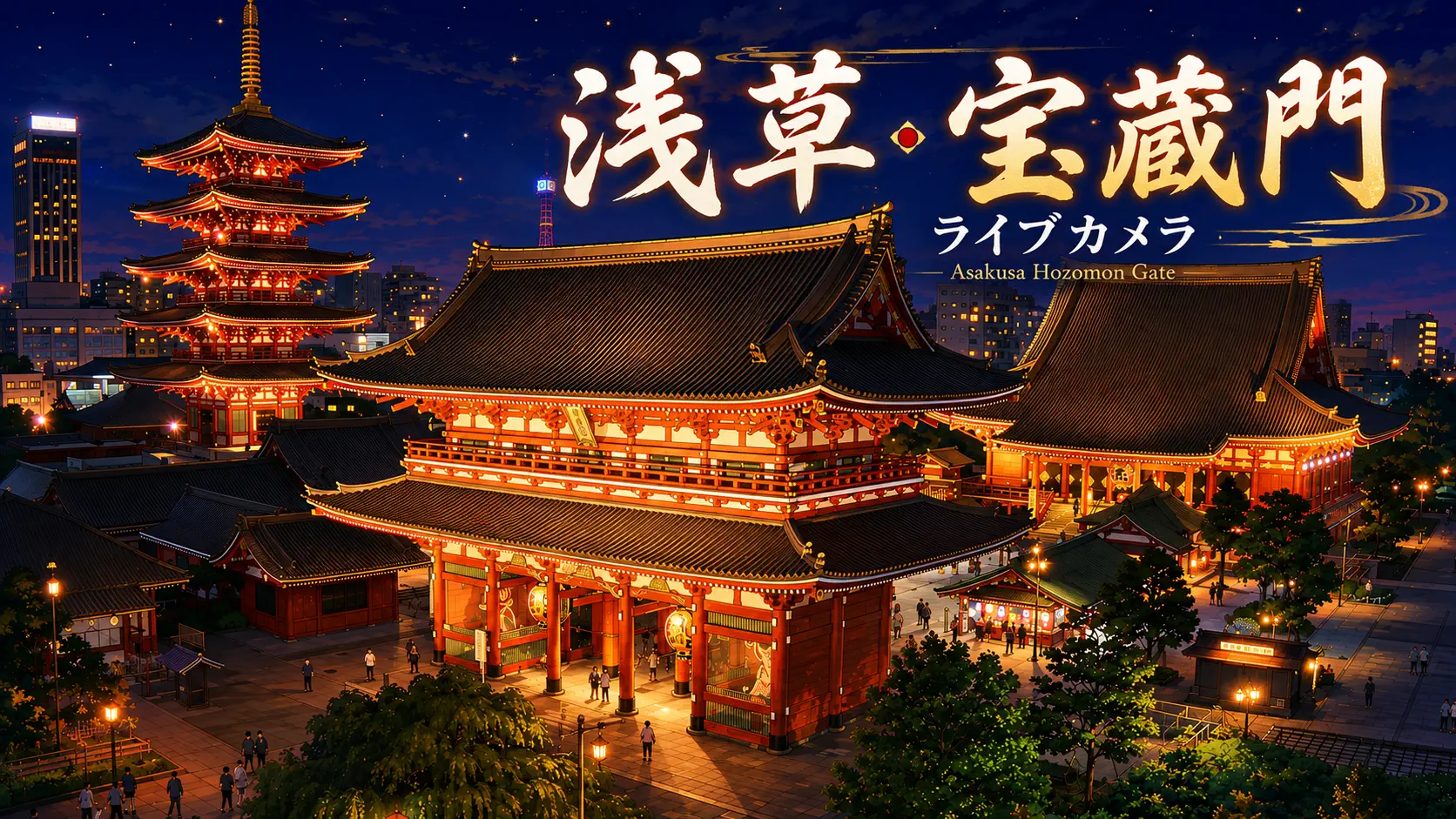
Shinjuku, Shibuya, and Ikebukuro densify these options because station traffic demands speed. A walk along Shibuya Center Street at mealtime shows how many quick feeds sit inside a few blocks of retail noise — useful when you are deciding whether to hunt a “hidden gem” or just eat well in ten minutes. Around Asakusa temple approaches, the Hozomon Gate live camera is a reminder that landmark edges inflate snack pricing — walk one block off the photo line before you buy.
How to eat cheap in Tokyo with a ticket machine
How to eat cheap in tokyo often starts with a machine:
- Note the photos and prices before you touch buttons.
- Select the base bowl, then toppings carefully — toppings blow budgets.
- Pay cash or card depending on the machine.
- Hand the ticket to staff; sit where they point.
- Water is often self-serve.
You do not need a speech. You need the ticket. If a button confuses you, choose the simplest pictured bowl and add nothing. That single habit keeps more travelers under ¥1,000 than any “secret ramen” tip.
Where to eat cheap in Tokyo by time of day
Where to eat cheap in tokyo changes with the clock.
Breakfast / morning
Chain gyudon shops and convenience stores win. A rice bowl or egg sandwich set beats hotel buffet math for solo travelers.
Lunch
Teishoku (set meals) and noodles peak. Many places post lunch prices lower than dinner. Eat the main calories at lunch; keep dinner lighter if the budget is tight.
Late afternoon
Depachika markdowns begin in some stores; supermarket stickers follow in the evening. This is prime time for takeaway dinners you eat in a park or hotel room without shame.
Late night
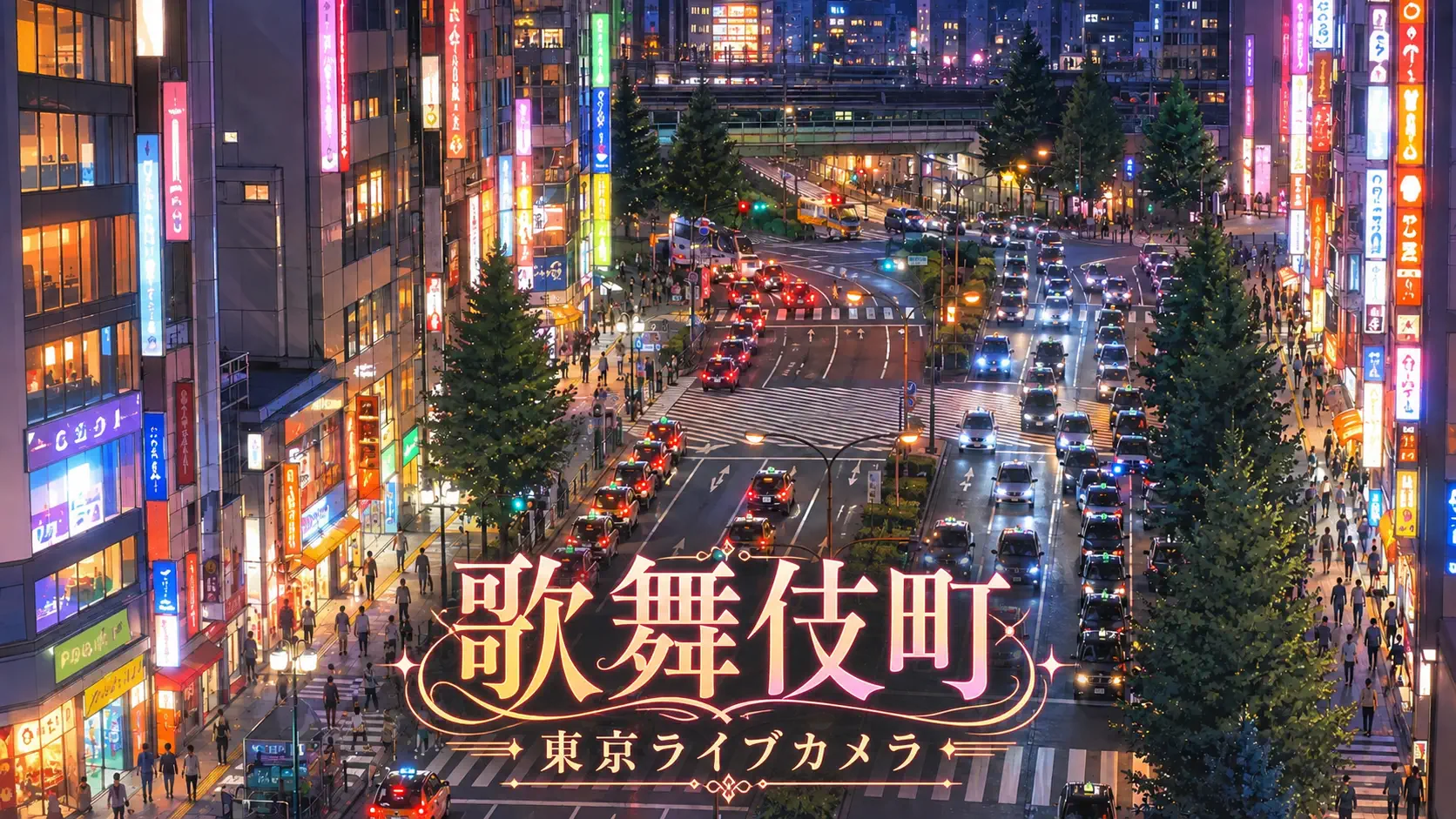
Kabukicho and other entertainment districts stay loud and edible. A Kabukicho Crossing live camera hints at the all-hours energy — standing soba, ramen counters, and chain shops still feed people after last trains start thinning. Stick to well-lit busy shops; cheap does not mean deserted.
What to eat in Tokyo cheap (and still feel fed)
What to eat in tokyo cheap when you want satisfaction, not only calories:
- Gyudon with miso soup and pickles if the set includes them
- Katsudon or oyakodon when you need heavier fuel
- Shoyu or shio ramen without every topping
- Standing soba with one tempura piece
- Onigiri ×2 + miso soup from a convenience store on transit days — ume and salmon from the fillings list; skip mystery “vegetable” triangles unless you read vegetarian onigiri fillings
- Supermarket sushi packs after discount stickers — quality varies; buy from busy stores with high turnover
Rotate protein and carbs so five cheap days do not become five identical beef bowls. Convenience cream buns are snacks, not dinner strategy.
Ordering without Japanese (and without panic)
- Point at plastic models or menu photos
- Use the ticket machine first whenever it exists
- Learn a few words: sumimasen (excuse me), kore o kudasai (this please), omizu (water)
- Translation apps work; hold the phone steady, do not block the aisle
- If you have allergies, carry a clear card — budget shops move fast and may not customize. Hidden fish stock is a separate problem: what to eat in Japan as a vegetarian.
Busy cheap restaurants are kind to decisive customers. Hesitation at the machine is the only real social crime. Sticks and bowls have their own short list: chopstick etiquette japan.
Budget traps that look cheap
- “Only ¥980” ramen plus large beer plus extra noodles
- Conveyor sushi where plates add up silently
- Tourist plazas where every shop faces a landmark and pays rent accordingly
- Airport and theme-park pricing on days you already spent on tickets
- Ordering every topping “just to try” on day three
- A themed café hour billed as lunch — that is a ticket with a drink; the type map is best themed cafes in tokyo
Cheap eats stay cheap when the base plate is the meal. Drinks and souvenirs are separate lines.
A one-day cheap-eating sketch
- Breakfast: convenience sandwich or chain egg set (~¥300–¥500)
- Lunch: soba or gyudon (~¥500–¥900)
- Snack: onigiri or fruit from a supermarket (~¥200–¥400)
- Dinner: ticket-machine ramen or discounted bento (~¥600–¥1,000)
Daily food can land near ¥2,000–¥3,500 without skipping satisfaction. Pair that with the average trip cost guide if you are building a full Tokyo budget, not only lunch — or scale the fortnight food line inside the two-week cost build. Outbound days change the lunch map; triage destinations in the best day trip hub so you are not paying tourist-plaza prices because the itinerary ran late.
Neighborhood hunting without a food blog
You do not need a map pin for every meal. Exit a busy station toward office workers at noon and follow the short lines. A queue of five locals beats an empty tourist parlor with English sandwich boards. Temple-edge sugar in Asakusa is a stop, not a meal: melon pan turtle, japanese mini taiyaki.
Carry a small pack of tissues and keep cash for standing counters that still prefer it. Eat, leave, keep walking — budget Tokyo dining is a rhythm, not a two-hour ceremony, unless you booked the ceremony on purpose.
FAQ
Can I really eat well in Tokyo under ¥1,000?
Yes for many single dishes and sets. Fancy sushi and wagyu nights are a different category — do not compare them to gyudon.
Is convenience-store food actually good?
Often yes for what it is: consistent, labeled, and everywhere. The japanese convenience store food map is the first-bag version. It will not replace a great ramen counter, but it saves transit days.
Do cheap chain shops take cards?
Increasingly yes; cash still helps at small standing counters. Keep a little yen.
Are food halls overwhelming?
At first. Follow price tags and discount stickers; buy one tray, exit, eat, then decide if you need more.
Is tipping expected?
No. Pay the listed price. Trying to tip can confuse staff. The full money map is do you tip tour guides in Japan.
Should I avoid chains to eat “real” Tokyo?
Chains are real Tokyo for millions of weekday meals. Use them for fuel; save sit-down experiments for meals you care about.