For three days in June 2013, Design Festa Gallery Harajuku turned into a pop-up playground for paperboy&co. — better known in Japan as Pepabo. The company behind services like Lolipop! and JUGEM marked its tenth anniversary with an event that tried to make web infrastructure feel tactile: balloons at the door, stamp rallies, handmade stalls, photo walls, and rooms built around products people already used online.
What the festival was
Pepabo Cultural Festival ran from 14–16 June 2013 under the subtitle “Look, Listen, Play for Three Days.” Admission was free. Hours ran roughly 11:00 to 19:30, with an earlier close on the final day. The venue was Design Festa Gallery Harajuku EAST in Jingumae — a short walk from both Harajuku Station and the denser shopping streets that feed into Shibuya.
The anniversary framing mattered. Pepabo’s public slogan around that period emphasized making the internet “more interesting,” and the festival translated that into booths visitors could walk through rather than dashboards they had to log into.
Arrival and the stamp rally
Visitors entered under a balloon arch and collected a pamphlet and fan at reception. The fan doubled as a stamp card: each Pepabo service booth carried a stamp, and collecting them all completed the design. A gacha machine nearby sold tenth-anniversary badges — twenty-two regular designs plus two secret variants at 100 yen per play.
Those small mechanics set the tone. The event rewarded wandering and completionism more than a single keynote. It also left room for the kind of human error festival reports love: leaving without every stamp, then noticing only after exiting.
First-floor booths
The ground floor stacked several Pepabo products into walkable rooms.
Booklog Library returned in an expanded form after an earlier Hikarie edition. Staff from different Pepabo teams curated shelves, so the room felt less like a corporate display and more like a shared office reading list.
minne Handmade Market brought in makers who sell through minne, Pepabo’s handmade marketplace. Creators rotated by day, which made repeat visits useful if you were hunting a specific style rather than a single souvenir.
Petit leaned into user photography. The “Everyone’s Petit Exhibition” gathered standout images from the service’s community — the kind of crowd-sourced gallery that only works when the platform already has volume.
Caramel, Pepabo’s shopping-mall style service at the time, showed staff picks and seasonal merch. Even small product moments — a chilled jelly display, for example — were staged as photo stops rather than pure retail.
Upper floors and characters
On the second floor, “Uncle Lolipop’s Room” turned the Lolipop! rental-server mascot into a treasure-hunt space. The character also appeared around the venue, giving people a moving photo target between booths.
The third floor held OEKAKIGRAM, a collaborative drawing room. User illustrations covered the walls; visitors could stick heart seals on favorites and try the service on provided phones. Drawings posted on-site were projected back onto the walls, closing the loop between digital tool and physical gallery.
Deeper on the same floor, Pepabo’s company history booth mixed timeline artifacts with cosplay costumes associated with then-president Kentaro Sato — a reminder that the company’s public personality was never purely corporate-neutral.
Talks and side programming
Friday featured a conversation between founder Kazuma Ieiri and Sato looking back across ten years. Weekend programming pointed toward other talks and designer matchups, including appearances connected to art director Sebastian Masuda. The schedule treated the gallery as both exhibition and temporary stage.
Handmade props — including a haniwa figure built by staff — reinforced the same message as the stamp rally: the company wanted the anniversary to feel participatory rather than ceremonial.
Why it still belongs in the archive
Harajuku and Shibuya’s internet-culture story is usually told through platforms, not rooms. Pepabo’s festival is useful because it briefly made hosting, blogging, handmade commerce, and photo sharing share one building. If you are exploring the district through live cameras today, the festival is a time capsule of how those companies once tried to occupy physical space next to the same streets still visible on stream.
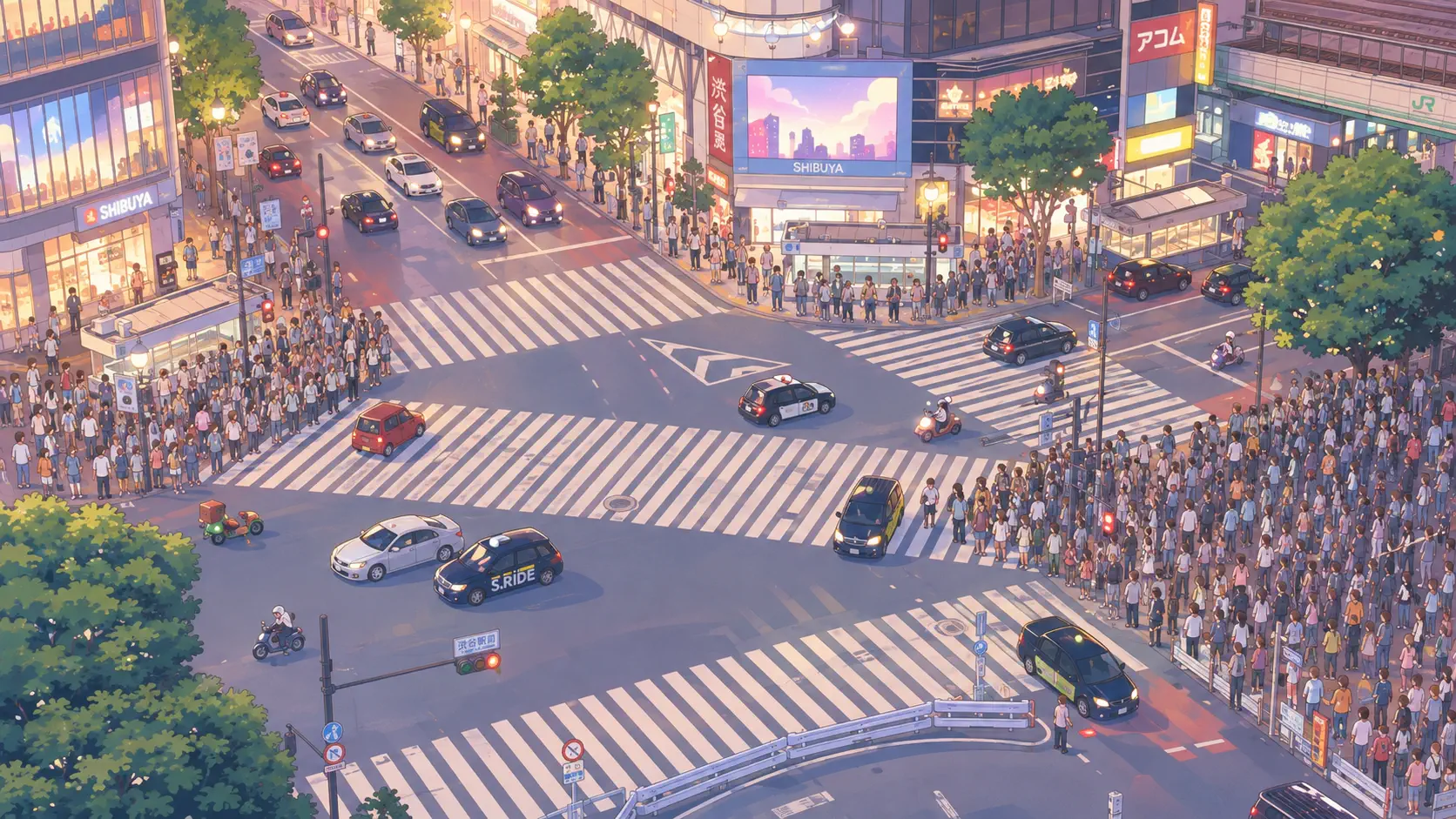
For a present-day window on the wider Shibuya basin just south of Jingumae, see the Shibuya Crossing live camera.
Travelers stacking Shibuya culture stops with a longer outing can compare options in best day trip from Tokyo.
Event facts
- Name: Pepabo Cultural Festival — Look, Listen, Play for Three Days
- Dates: 14–16 June 2013
- Hours: 11:00–19:30 (final day until 17:00)
- Venue: Design Festa Gallery Harajuku EAST, 3-20-2 Jingumae, Shibuya
- Admission: Free
- Organizer site (historical): http://10th.paperboy.co.jp